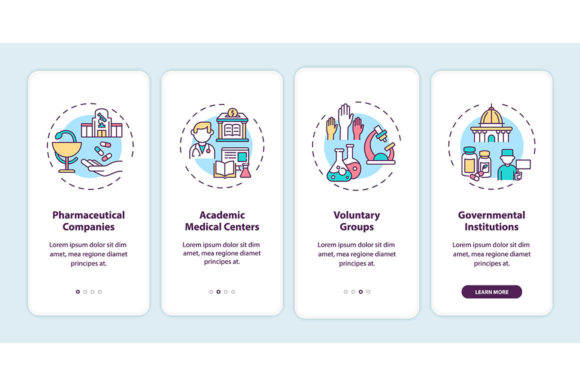
Clinical Trials Onboarding Graphics & Templates
As a graphic designer who has spent the last decade refining brand identities for healthcare startups and digital health platforms, I approach every new graphic design asset with a mix of curiosity and skepticism. We are often tasked with translating complex medical processes into approachable, user-friendly visual experiences. Recently, I evaluated the Clinical Trials Sponsorship Onboarding template to determine if it could serve as a foundational element for a client’s mobile application redesign. This review breaks down how this specific set of Graphic Templates performs in real-world scenarios, moving beyond simple aesthetics to practical utility.
First Impressions: Clarity Meets Compassion
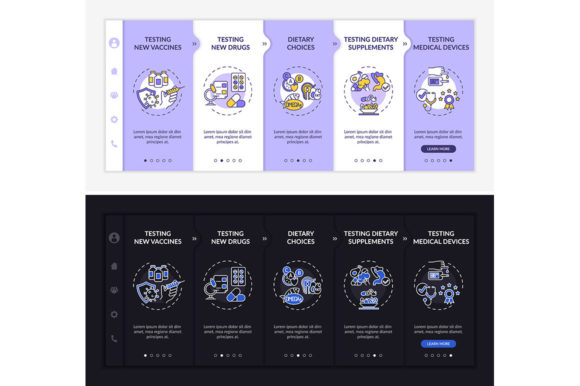
The initial load of the Clinical Trials Sponsorship Onboarding files reveals a thoughtful approach to UI/UX design. The mood is immediately professional yet welcoming, striking a delicate balance that is notoriously difficult to achieve in the medical sector. The linear color illustrations avoid the cold, sterile feel often associated with clinical environments, instead opting for a softer, more human-centric palette. For designers working on modern design projects, this asset provides a ready-made visual language that communicates trust and transparency.
The core concept revolves around a four-step graphic instruction walkthrough, essential for guiding users through the often-intimidating process of trial sponsorship. As a digital product, it offers a structured narrative flow. When I placed these elements into a mockup for a hypothetical biotech client, the immediate impact was a reduction in cognitive load. The visuals do the heavy lifting, allowing the text to remain concise. This is crucial for web design and app interfaces where user retention hinges on quick comprehension.
Versatility Across Design Mediums
While primarily designed as a mobile app screen, the versatility of these Graphics extends far beyond the digital interface. In my practice, I frequently repurpose high-quality vector assets for broader brand identity applications. Here is how this asset holds up across various mediums:
- Marketing Visuals: The linear illustrations translate beautifully into social media graphics. I tested the components for Instagram posts and LinkedIn carousels, finding that the clean lines scale well without losing integrity. They serve as excellent anchors for educational content about clinical research.
- Printable Design & Editorial: For clients producing white papers or patient information brochures, these vectors work seamlessly in editorial design layouts. They break up dense text and provide visual relief, enhancing readability and engagement.
- Packaging Design: Although niche, the iconography could be adapted for packaging design related to patient kits or promotional merchandise for medical conferences, adding a layer of professional polish.
- Presentation Decks: For pitch decks aimed at investors or hospital administrators, these slides offer a pre-built narrative structure that elevates the perceived value of the presentation.
It is important to note that while this is not a typical Cricut project or sublimation design for handmade goods, the underlying vector quality means it could be adapted for high-end corporate swag, such as tote bags or tech accessories for conference attendees, provided the licensing allows for such commercial use.
Strategic Placement and Visual Hierarchy
Understanding where to place these assets is key to maximizing their impact. The Clinical Trials Sponsorship Onboarding template shines in large layout areas where the four-step process can be displayed horizontally or vertically without clutter. It works best as a hero graphic on landing pages or as the central focus of an onboarding modal. The linear style ensures that it does not overpower accompanying typography, maintaining a healthy visual hierarchy.
However, designers must exercise caution. These illustrations should be used carefully in small sizes. The fine lines characteristic of linear art can disappear or become muddy when scaled down for favicon usage or small footer icons. Additionally, avoid placing these assets on crowded backgrounds. The clarity of the design relies on negative space. Complex textures or busy patterns will compete with the linear strokes, diminishing the professional aesthetic. For minimalist branding projects, ensure that the color palette of the illustrations aligns strictly with the brand guidelines to maintain consistency.
Impact on Brand Trust and User Engagement
In the healthcare industry, design is not just about beauty; it is about building trust. A poorly executed interface can signal negligence, while a polished one signals competence. Using high-quality design assets like this onboarding template directly influences the emotional appeal of the product. It reduces anxiety for potential trial participants by making the process appear manageable and transparent.
From a business perspective, this contributes to higher conversion rates. When users understand the steps involved in sponsorship or participation, they are more likely to proceed. The professional look of these Graphic Templates enhances the overall impression of the brand, positioning it as a leader in patient care and scientific rigor. This is particularly vital for small business branding in the med-tech space, where establishing credibility quickly is essential for survival.
Practical Designer Notes for Implementation
Before integrating Clinical Trials Sponsorship Onboarding into a client project, I recommend a rigorous testing phase. Here are my practical notes for fellow designers:
- Test in Black and White: Convert the vectors to grayscale to ensure the structural integrity of the illustrations holds up without color. This helps identify any lines that are too thin or details that are too intricate.
- Check Contrast: Preview the assets on both light and dark backgrounds. Linear illustrations often require adjustment in stroke weight or color opacity to maintain visibility on dark modes, which are increasingly common in mobile apps.
- Inspect File Formats: The ZIP file typically contains SVG and PNG formats. Always prefer the SVG for web and app use to ensure scalability. Check the SVG code for unnecessary groups or metadata that might bloat the file size.
- Typography Pairing: Compare the illustrations with various font styles. They pair exceptionally well with clean sans serif fonts, which reinforce the modern, clinical feel. Avoid overly decorative script fonts, which may clash with the precision of the linear art.
- Licensing Verification: Always confirm the commercial license terms. If you are creating a commercial design for a client, ensure that the license covers end-product distribution, especially if the app will be sold or used in a revenue-generating context.
- Mockup Testing: Place the designs on real device mockups. What looks good on a 27-inch monitor may feel different on a 6-inch smartphone screen. Adjust spacing and sizing accordingly.
Final Verdict for Professional Use
The Clinical Trials Sponsorship Onboarding asset is a robust addition to any designer’s toolkit, particularly those specializing in healthcare, tech, or corporate communications. It saves significant time in the initial conceptualization phase, allowing designers to focus on customization and integration rather than building basic instructional graphics from scratch. While it may not be suitable for every niche—such as playful children’s brands or rugged outdoor apparel—it excels in environments requiring clarity, professionalism, and empathy.
For those managing Etsy products related to digital planners or professional templates, this could also serve as inspiration for creating similar instructional layouts. However, its primary strength lies in direct client work for digital platforms. By leveraging these creative design elements effectively, you can elevate the user experience, streamline communication, and deliver a final product that feels both polished and purposeful. In a market saturated with generic stock imagery, specialized assets like this offer a competitive edge in creating distinctive, trustworthy brand experiences.