Medical Disinfection Dispenser: A Designer’s Review
As a designer who has spent years translating digital concepts into tangible thread, I approach every new machine embroidery design with a mix of curiosity and skepticism. We have all been there: you see a sleek graphic online, download it, and hope it translates well to fabric. Today, I am taking a close look at the Medical Disinfection Dispenser logo template. This is not just about aesthetics; it is about functionality, stitchability, and how this asset performs in the real world of custom apparel and handmade goods.
First Impressions: Clean Lines for Modern Branding
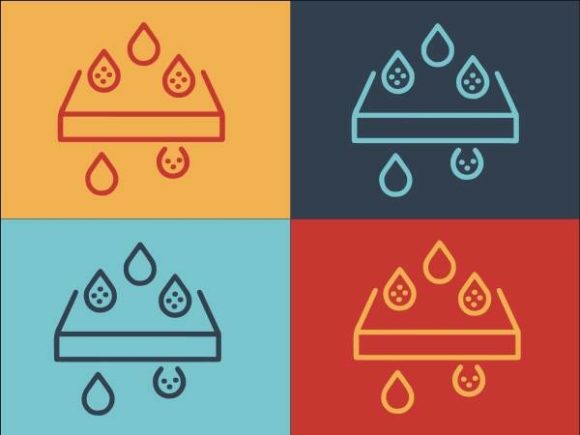
The first thing that strikes me about the Medical Disinfection Dispenser design is its elegance. In the world of Logos and Graphics, simplicity is often the hardest thing to achieve. This template manages to be modern and versatile without feeling sterile. For an embroidery project, this is crucial. Complex gradients and tiny details often get lost in translation when converted from vector to stitch. However, the clean layout here suggests that it will hold up well under the needle.
The visual personality of this design feels professional and trustworthy. If you are running a craft business focused on healthcare workers, cleaning services, or even modern home decor, this aesthetic fits perfectly. It does not scream for attention; rather, it invites confidence. When I imagine this stitched onto a high-quality tote bag or a crisp apron, I see a product that looks boutique-ready, not homemade in a chaotic sense, but curated with intent.
Real-World Application: From Mockup to Stitch
Let us move beyond the screen and think about actual production. I recently worked on a project for a local clinic needing branded merchandise for their staff. The Medical Disinfection Dispenser concept would have been ideal for their reusable tote bags. Here is how I evaluate its potential in similar scenarios:
- Custom Apparel: On a polo shirt or lab coat, this design needs to be scaled correctly. Because it is a logo-style graphic, it works best as a left-chest emblem. The modern lines suggest it would look sharp using a combination of satin stitch for borders and fill stitch for larger areas.
- Tote Bag Design: Canvas bags are forgiving, but they require density control. This design’s versatility means it can be enlarged for a central placement on a heavy-duty shopper. The contrast between the thread colors and the natural canvas would make the "medical" theme pop without looking cluttered.
- Personalized Gift Items: Imagine this embroidered on a high-end kitchen towel or a set of cloth napkins for a housewarming gift. The clean, stylish nature of the graphic elevates the perceived value of the item. It moves the product from a simple utility item to a thoughtful, designed object.
For Etsy sellers and small shop owners, the appeal lies in this adaptability. You are not limited to one niche. While the name suggests a medical context, the abstract elegance allows it to fit into broader hygiene or wellness branding. This increases the potential customer base for your finished product.
Technical Considerations for Embroidery Designers
While the SVG file included in the package is compatible with major software like Inkscape, Gravit Designer, and Adobe Photoshop, we must remember that vector perfection does not always equal embroidery perfection. Before you load this into your machine, there are critical steps to take.
Stitch Density and Detail: The description notes the design is easy to customize. This is a double-edged sword. If you scale it down too much for a small hoop size, such as a 4x4 inch hoop for a cap or baby item, the fine lines may merge. I always recommend testing the design on scrap fabric first. Check if the small corners of the dispenser shape turn into dense blobs of thread. If they do, you may need to simplify the digitizing or increase the size.
Fabric Texture and Stabilizer: This design likely relies on clear outlines. On textured fabrics like terry cloth or fleece, those lines can get lost. I would advise using a cut-away stabilizer for stretchy fabrics like sweatshirts to prevent distortion. For woven fabrics like aprons or pillow covers, a tear-away might suffice, but always test. The goal is to maintain the crispness of the original graphic.
Thread Color Contrast: Since this is a monochromatic or limited-color style logo, your choice of thread color is paramount. On dark fabric, ensure you have enough contrast. A white or light gray thread on navy blue works beautifully, but black on black will vanish. I often create black and white mockups before stitching to verify that the shape remains recognizable without color cues.
Navigating Challenges: Where to Be Careful
No design is universal, and the Medical Disinfection Dispenser is no exception. There are specific scenarios where you should proceed with caution:
- Curved Surfaces: Embroidering this on a cap requires careful hooping. The geometric nature of the design can look warped if the fabric shifts. Use a strong stabilizer and consider a smaller version to fit the front panel without crossing the seams.
- Tiny Lettering: If the template includes text elements, be wary of scaling them down. Small serif fonts or thin sans-serif letters can become illegible when stitched. If the design allows, remove or enlarge any text components for small applications like baby embroidery or patches.
- Dense Stitch Areas: If the design features solid blocks of color, check the stitch direction. Long runs of satin stitch can snag easily. Converting large fills to a tatami or patterned fill stitch can improve durability, especially for items that will undergo frequent washing, like kitchen towels or work aprons.
Enhancing Product Value and Brand Consistency
Why does this matter for your business? Because perception is reality. A well-executed embroidery project signals professionalism. When a customer receives a sweatshirt with a crisp, clean logo, they trust the brand more. The Medical Disinfection Dispenser design, with its modern and stylish vibe, contributes to this trust. It does not look dated or clip-art-ish. It looks intentional.
For digital product sellers, offering this as part of a bundle or using it in printable mockups can boost engagement. Show potential buyers how it looks on various items. Demonstrate its versatility. This helps them visualize the end result, reducing hesitation and increasing conversion rates.
Final Verdict and Practical Advice
The Medical Disinfection Dispenser is a strong contender for designers looking for clean, modern assets. It bridges the gap between corporate branding and handmade charm. However, success depends on your preparation.
Before you commit to a large batch of commercial embroidery projects, verify the license terms. Ensure you have the right to sell finished items or digital derivatives. Check the file formats provided; while SVG is great for editing, you will need to digitize it properly for your specific embroidery machine. Do not assume the auto-digitize function in your software will yield perfect results. Manual adjustment of stitch types—switching between running stitch for outlines and fill stitch for bodies—is often necessary to achieve that professional finish.
In conclusion, this design is a versatile tool in your creative arsenal. Whether you are creating holiday embroidery gifts, boutique branding materials, or everyday custom apparel, it offers a solid foundation. Treat it with the technical respect it deserves, test your parameters, and you will find it adds significant value to your portfolio. Happy stitching!