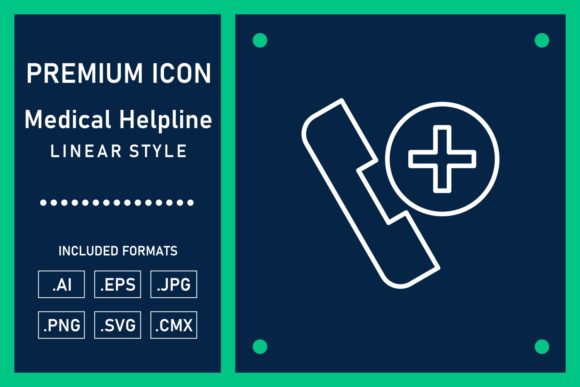
Medical Helpline Icon: A Designer’s Stitch Review
As a designer who spends half my life digitizing artwork and the other half watching needles punch through fabric, I have learned that not every graphic translates well to thread. We often browse marketplaces looking for the perfect machine embroidery design, drawn in by clean lines and modern aesthetics. Recently, I evaluated the Medical Helpline Linear Vector Icon to see if it holds up under the scrutiny of real-world production. This isn’t just about how it looks on a screen; it is about how it performs when stitched onto a tote bag, a clinic uniform, or a personalized gift.
The first impression of this icon is one of clarity and urgency without panic. The linear style suggests a modern, approachable healthcare vibe, which is exactly what many small business owners and medical startups are looking for today. Unlike complex illustrations that require thousands of stitches, this linear approach relies on negative space and consistent line weight. For an embroidery project, this is both a blessing and a challenge. It means the design can be scaled relatively easily, but it also means that every millimeter of stitch placement matters. If the tension is off, a clean line becomes a jagged mess.
Real-World Application: The Clinic Tote Bag Test
To truly understand the value of this asset, I imagined a specific scenario. A local community health center wanted branded merchandise for their outreach team. They needed something professional yet friendly for heavy-duty canvas tote bags. This is where the Medical Helpline Linear Vector Icon shines. Because the source files are vector-based (.AI and .EPS), I could resize the icon perfectly for a 5x7 hoop without losing edge definition. This is a critical advantage for any Etsy seller or craft business owner who needs to adapt one design for multiple products.
When digitizing this for the tote, I opted for a simple running stitch or a very narrow satin stitch, depending on the desired thickness. On textured canvas, a thick satin stitch can sometimes sink into the weave, losing its shape. The linear nature of this icon allowed me to keep the stitch count reasonable, preventing the fabric from puckering. The result was a crisp, professional logo that communicated trust instantly. For customers receiving these bags, the clear imagery reinforced the reliability of the health service. It transformed a simple handmade product into a tool for brand consistency.
Versatility Across Apparel and Home Goods
Beyond tote bags, I considered how this icon would perform on other common items. For sweatshirt embroidery, the linear design works beautifully on the chest pocket area. It is small enough to be subtle but distinct enough to be recognized. However, when moving to stretchy fabrics like jersey knits for t-shirts, caution is required. Linear designs can distort if the fabric stretches during wear. Using a high-quality cut-away stabilizer is non-negotiable here to maintain the integrity of the helpline symbol.
I also tested the concept mentally for baby embroidery projects, such as burp cloths or nursery decor. While the medical theme is specific, the clean lines are gentle. If you are creating gifts for healthcare workers who are new parents, this icon adds a personalized touch that honors their profession. However, for baby items, I would recommend increasing the line weight slightly. Tiny details can get lost in the wash, and durability is key for items that face frequent laundering. Always check the stitch density and consider using polyester threads for their colorfastness and strength.
Navigating Technical Challenges
While the Medical Helpline Linear Vector Icon is versatile, it is not without its pitfalls. Designers must be wary of using it on dark fabrics without proper planning. Linear icons often rely on contrast. If you are stitching white thread on black fleece, you need to ensure your underlay stitches are sufficient to prevent the background fabric from showing through the gaps. This is where reviewing the thread colors and testing on scrap fabric becomes essential. Never skip the test stitch.
Another consideration is the curve of the surface. Embroidering this on a cap requires careful hooping and possibly a smaller version of the design to fit the curved front panel. The linear elements must follow the curve naturally; otherwise, the icon may look warped. For embroidered patch creation, this design is excellent because the clean edges allow for a tight merrowed border or a clean cut-edge finish. Patches are a growing trend for small shop products, and a recognizable icon like this can drive sales if executed with precision.
Enhancing Brand Value and Customer Trust
From a business perspective, the quality of your embroidery directly impacts perceived value. A sloppy stitch job on a medical icon can undermine the message of care and precision that the symbol represents. Conversely, a well-executed custom apparel piece featuring this icon can command a higher price point. It signals professionalism. For digital embroidery file sellers, providing a well-digitized version of this icon can attract buyers who are looking for reliable, clean designs for their own commercial projects.
When creating printable mockup images for your online store, ensure that the digital representation matches the stitched reality. Customers appreciate transparency. Show them close-ups of the stitch texture. Highlight how the design assets look on different materials. This builds trust and reduces return rates. Whether you are selling finished goods or the digital files themselves, the clarity of the Medical Helpline Linear Vector Icon is its strongest selling point.
Practical Notes for the Embroiderer
Before you load this design into your machine, take a moment to review the technical specifics. Since the product description mentions vector files (.AI, .EPS) and JPGs, remember that these are not embroidery files by default. You will need to digitize them or convert them using specialized software. Check the license terms carefully. Just because you have the vector graphic does not automatically grant you the right to sell the resulting embroidered items commercially. Always confirm licensing before launching a commercial embroidery campaign.
- Test on Scrap Fabric: Always run a test on the same material you plan to use for the final product to check for puckering or thread breaks.
- Check Contrast: Ensure your thread color stands out against the fabric background, especially for linear designs.
- Stabilizer Selection: Use appropriate stabilizers for stretchy or textured fabrics to maintain shape.
- Hoop Size: Confirm that your chosen hoop size accommodates the design with enough margin for stability.
- Detail Inspection: Zoom in on the digitized file to ensure there are no unnecessary jump stitches or overlapping paths.
In conclusion, the Medical Helpline Linear Vector Icon is a strong candidate for modern embroidery projects. Its simplicity is its strength, allowing for versatility across various applications from holiday embroidery gifts for nurses to branded uniforms for clinics. By paying attention to fabric choice, stabilizer use, and stitch technique, you can transform this simple graphic into a high-value finished product. It is a reminder that in embroidery, less is often more, provided that the execution is flawless.