Nurse Make It Better: A Designer’s Embroidery Review
As a designer who has spent countless hours digitizing and testing files for real-world application, I approach every new asset with a critical eye. We have all been there: you download a promising machine embroidery design, load it onto your machine, and hope for the best. Too often, the result is a tangled mess of thread or a design that loses its charm once stitched out. Today, I am taking a close look at Nurse Make It Better, evaluating it not just as a digital graphic, but as a viable component for professional embroidery projects.
This piece falls under the category of Print Templates and Graphics, specifically offering vector versatility. However, my focus here is strictly on how it translates from screen to fabric. For embroidery designers, small business owners, and Etsy sellers, the difference between a good file and a great finished product lies in the details. Let’s dive into how Nurse Make It Better holds up under the needle.
First Impressions: Mood and Visual Personality
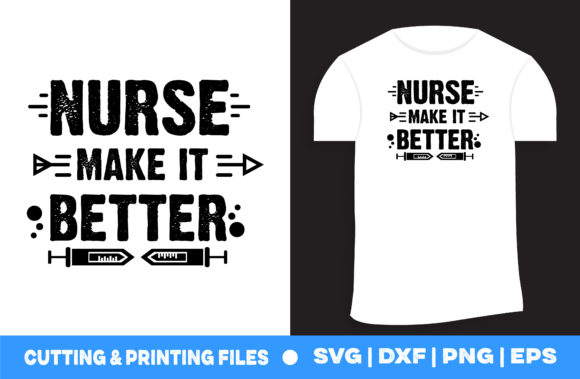
The phrase "Nurse Make It Better" carries an immediate emotional weight. It is comforting, authoritative, and slightly playful. Visually, the layout suggests a balance between boldness and approachability. When I first opened the files, I was looking for clean lines and logical spacing. In embroidery, overly complex shapes can cause registration issues, while too much negative space can look sparse on textured fabrics.
The mood this design creates is one of reassurance. It fits naturally into the healthcare appreciation niche, which remains a robust market for personalized gifts and custom apparel. The visual personality is straightforward, avoiding unnecessary flourishes that might complicate stitching. For a crafter or boutique owner, this clarity is a significant advantage. It means the design can be read quickly, even from a distance, making it ideal for items like tote bags or aprons where visibility matters.
Real-World Application: From Screen to Stitch
To truly test Nurse Make It Better, I imagined a specific scenario: creating a custom embroidered tote bag for a nursing graduate. This is a common request for handmade shop owners. The goal is a product that feels premium yet durable. Because the design is provided as a vector file (SVG, EPS, DXF) alongside a PNG, it offers flexibility. However, for embroidery, we must consider how these shapes translate into stitch types.
If you are digitizing this yourself from the provided vectors, you have control over the stitch structure. A mix of satin stitch for borders and fill stitch for larger areas would likely yield the best results. For those using pre-digitized versions, checking the stitch density is crucial. On a canvas tote bag, a higher density provides better coverage, but on a lightweight cotton t-shirt, too much density can cause puckering.
I also considered this design for sweatshirt embroidery. The thicker fabric of a hoodie or crewneck can handle more substantial stitching. Here, Nurse Make It Better shines as a central chest piece or a sleeve accent. The text-based nature of the design means legibility is key. If the lettering is too thin, it may get lost in the fleece texture. Ensuring adequate thickness in the digitized version is essential for maintaining the design’s integrity on plush fabrics.
Fabric Considerations and Technical Challenges
Not all fabrics behave the same way, and Nurse Make It Better requires thoughtful placement. When working with stretchy fabrics, such as performance scrubs or jersey knits, stability is the primary concern. Without proper stabilizer, even the best-designed embroidery can warp. I recommend using a cut-away stabilizer for garments that will undergo frequent washing, ensuring the design remains crisp over time.
Dark fabrics present another challenge. If you are stitching white or light-colored thread on navy or black scrubs, you must ensure the underlying fabric does not show through the stitches. This might require a higher stitch count or a backing layer. Conversely, on light fabrics, dark threads provide excellent contrast, enhancing the visual appeal of the message. Always test your thread colors on scrap fabric before committing to the final product. This simple step saves time and materials, preserving your profit margin as a craft business owner.
Curved surfaces, such as caps, require extra attention. The design’s width must fit within the available hoop area without distorting the text. If the phrase is too wide, it may wrap around the curve of the cap, making it difficult to read. In such cases, scaling down the design or adjusting the layout might be necessary. Always confirm the hoop size compatibility with your specific machine before starting.
Commercial Viability and Brand Consistency
For Etsy sellers and commercial embroidery professionals, the value of a design lies in its marketability. Nurse Make It Better taps into a strong emotional connection, making it a compelling choice for holiday gifts, retirement presents, or appreciation week merchandise. The professionalism of the final product reflects directly on your brand. A clean, well-stitched design builds customer trust and encourages repeat business.
When creating printable mockups or digital product previews, the vector nature of the included files (SVG, EPS) allows for high-resolution presentations. This is crucial for online listings where customers cannot touch the product. A sharp, clear image helps buyers visualize the finished item, increasing conversion rates. However, remember that a mockup is not a substitute for a physical sample. Always produce a physical prototype to verify the look and feel.
The design’s versatility extends to various products beyond apparel. Consider embroidered patches, pillow covers, or kitchen towels. Each application requires adjustments in technique. For example, a tea towel might benefit from a lighter touch to maintain the fabric’s absorbency and drape, whereas a patch can support denser stitching for a raised, textured effect.
Practical Notes for the Embroidery Designer
Before you launch into production, keep these practical tips in mind:
- Test on Scrap Fabric: Always run a test stitch-out on the same type of fabric you intend to use for the final product. This reveals issues with tension, density, and color contrast.
- Check Licensing: While the product description mentions quality work and vector files, always confirm the license terms. Ensure you have the right to use Nurse Make It Better for commercial sales if you plan to sell finished items.
- Inspect Small Details: Look closely at the corners and connections in the design. Tiny details may need simplification to prevent thread breaks or bird nests during stitching.
- Contrast is Key: Evaluate how the design looks in black and white. If it loses definition without color, you may need to adjust line weights or spacing.
- Stabilizer Selection: Match your stabilizer to your fabric. Tear-away for stable woven fabrics, cut-away for knits, and wash-away for delicate or sheer materials.
In conclusion, Nurse Make It Better is a solid candidate for a variety of embroidery projects. Its strength lies in its clear message and adaptable format. By paying attention to fabric texture, stitch density, and proper stabilization, you can transform this digital asset into a high-quality handmade product. Whether you are creating a personalized gift or stocking your small shop, this design offers the potential for professional, appealing results that resonate with customers.